.jpg)

Sound by Design, Not by Default
Sonic branding is the strategic use of sound to build a brand's audio identity. First formally defined by Daniel Jackson in 2003 as "branding with sound, for instance with music," the concept has since expanded far beyond jingles and sonic logos. As researchers Spence and Keller noted in Psychology & Marketing (2024), a brand's sonic identity is the sum of every sound experience across every touchpoint. From the music in a physical space to the tone of a voice assistant to the click of a product being opened. (Spence, C. & Keller, K., Psychology & Marketing, 2024)
What It's Actually Used For
The most visible application is the sonic logo: a two-to-four-second audio mark that functions like a visual logo but works on a different part of the brain. Intel's five-note bong, Netflix's ta-dum, McDonald's "ba da ba ba baa" are the textbook examples. But sonic branding extends well beyond that: brand music guidelines, in-space soundscapes, UI sounds, voice character, notification sounds, and on-hold experiences all fall under its scope.
Research by Veritonic and Audacy found that consistent sonic branding increases ad recall by up to 17% in radio and 14% in podcasts, while measurably boosting purchase intent and brand trust. (Sixième Son, What Is Sonic Branding?, 2025) The mechanism isn't mysterious: the brain processes sound recognition in approximately 0.146 seconds - nearly three times faster than visual recognition. (MusicGrid, The Science of Sonic Branding, 2024) Sound gets there first.
.png)
Who It's For and Why the List Is Growing
Sonic branding was once the territory of global FMCG and tech brands. That's changed. The global sonic branding market reached $1.12 billion in 2024, with projected growth of nearly 14% annually through 2033.
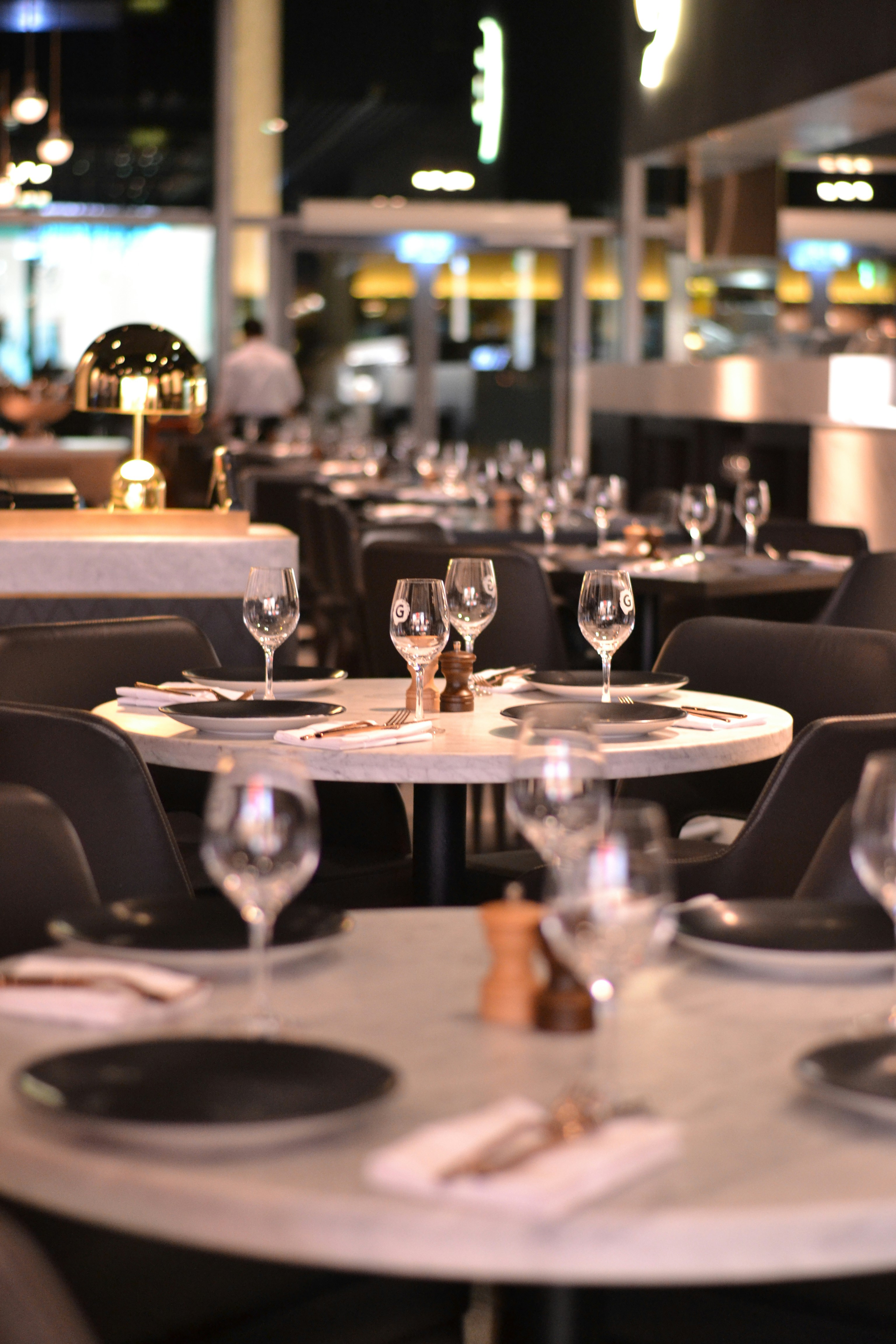
Luxury hospitality has become one of the most active adopters. The Langham Hospitality Group appointed a Group Director of Music specifically to design bespoke soundscapes across its properties, while Taj Hotels commissioned a dedicated suite of sonic assets from specialist Ahmad Haffar. (Business Traveller, Good Vibrations: Inside the World of Sonic Branding, 2026) Wellness institutions, cultural venues, restaurants, retailers, and digital product brands are all now developing structured sonic identities, because unmanaged sound is increasingly understood not as neutral, but as a missed opportunity or an active liability.
.jpg)

.png)
.png)
.png)
.png)